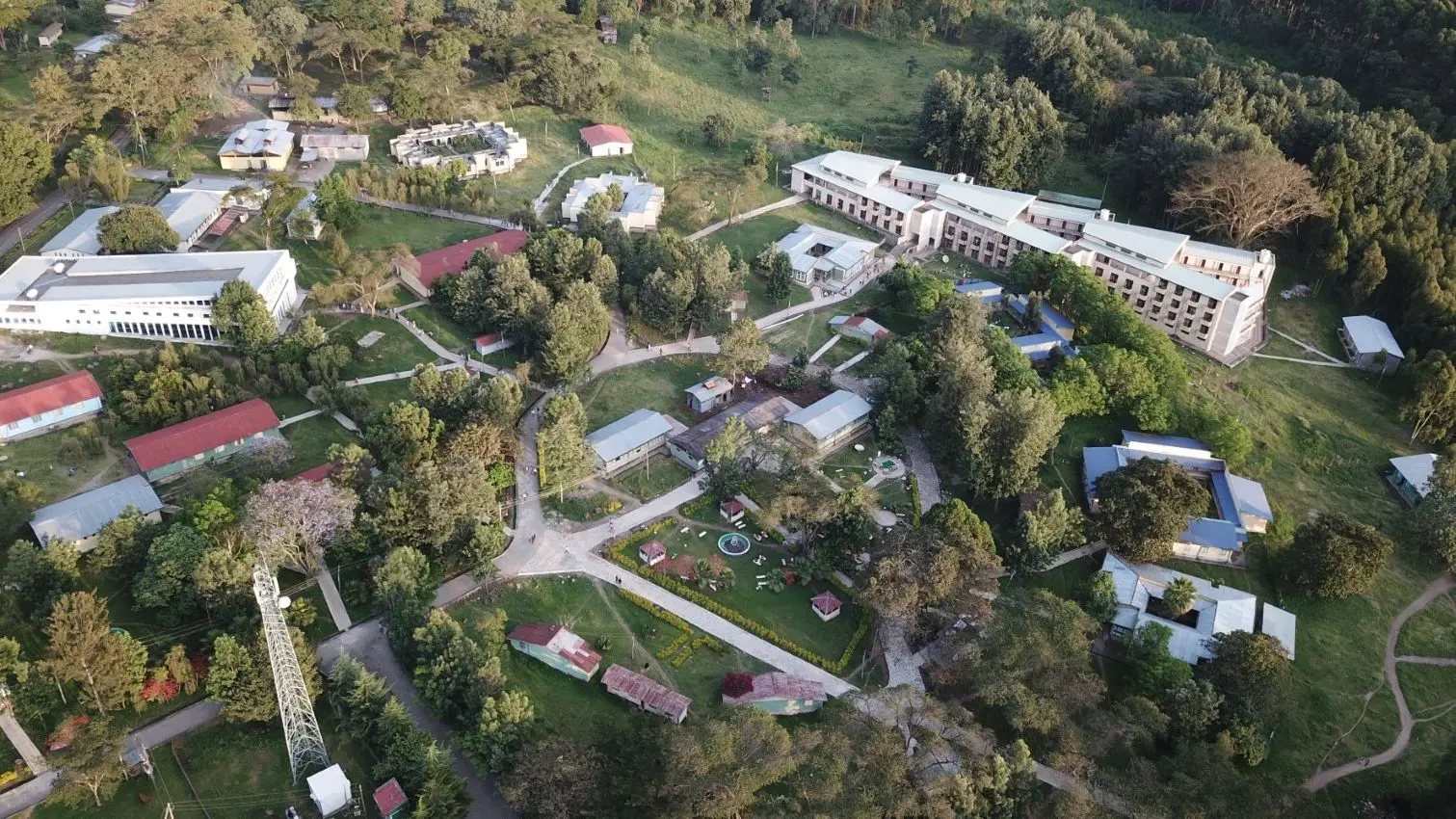
All Campuses and institutions of Hawassa University.
Background
Hawassa University’s distinct campuses and institutions each contribute a unique strength to our academic community. Explore the faculties and specialized facilities that demonstrate our commitment to education, research, and community engagement across the region.
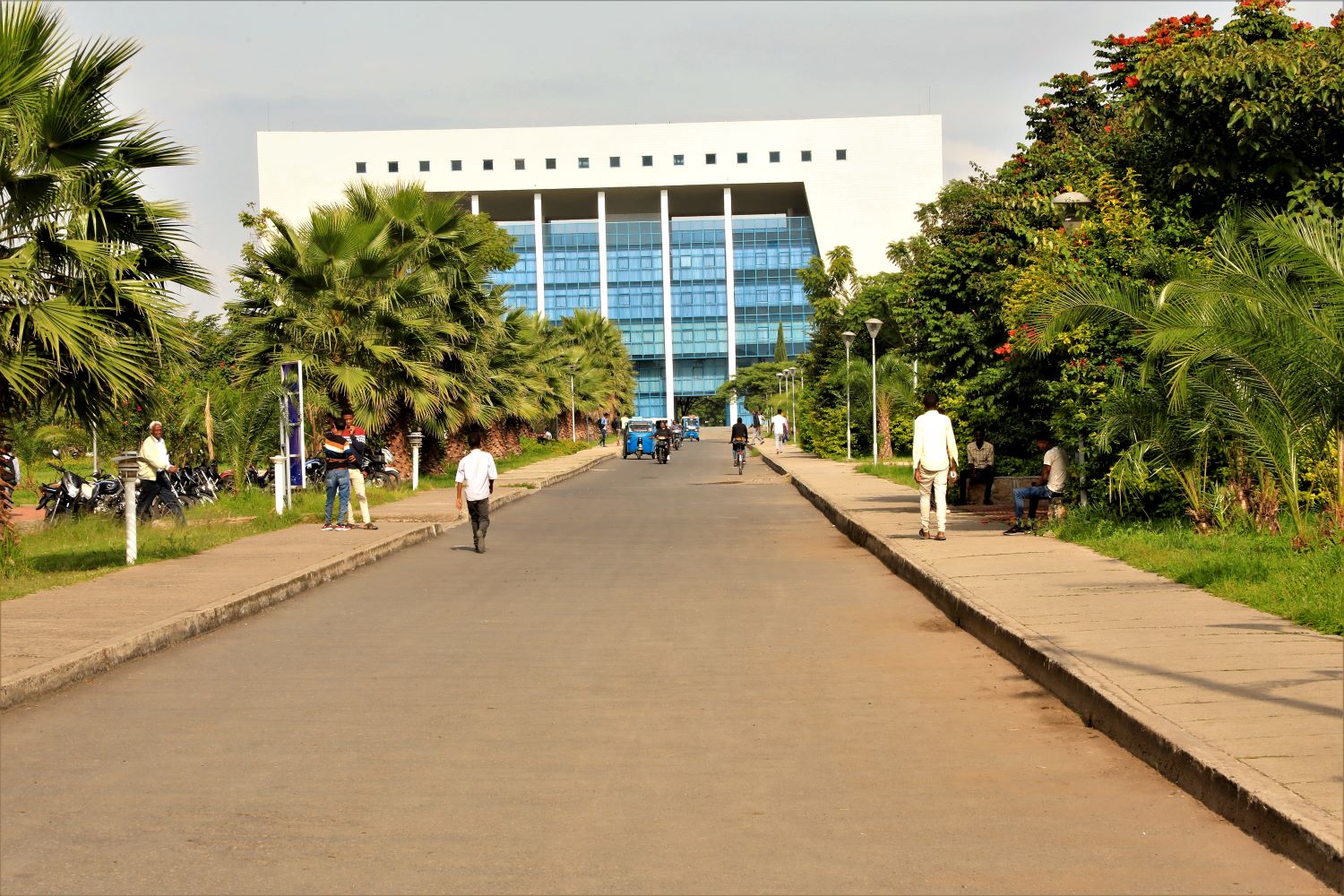
Main Campus
Main campus is home to four Colleges and one Institute:
- College of Education
- College of Law and Governance
- College of Natural and Computational Sciences
- College of Social Sciences and Humanities and
- Institute of Policy and Development Research.
It also serves as the central hub for the university's administration, housing executive leadership and key offices such as the:
- Office of the President
- Office of the Vice Presidents,
- Registrar, Academic Programme Directorate,
- School of Graduate Studies,
- Office of External Relations and Communications,
- Public Relations & Communications Directorate,
- International Relations and Alumni Affairs Directorate.
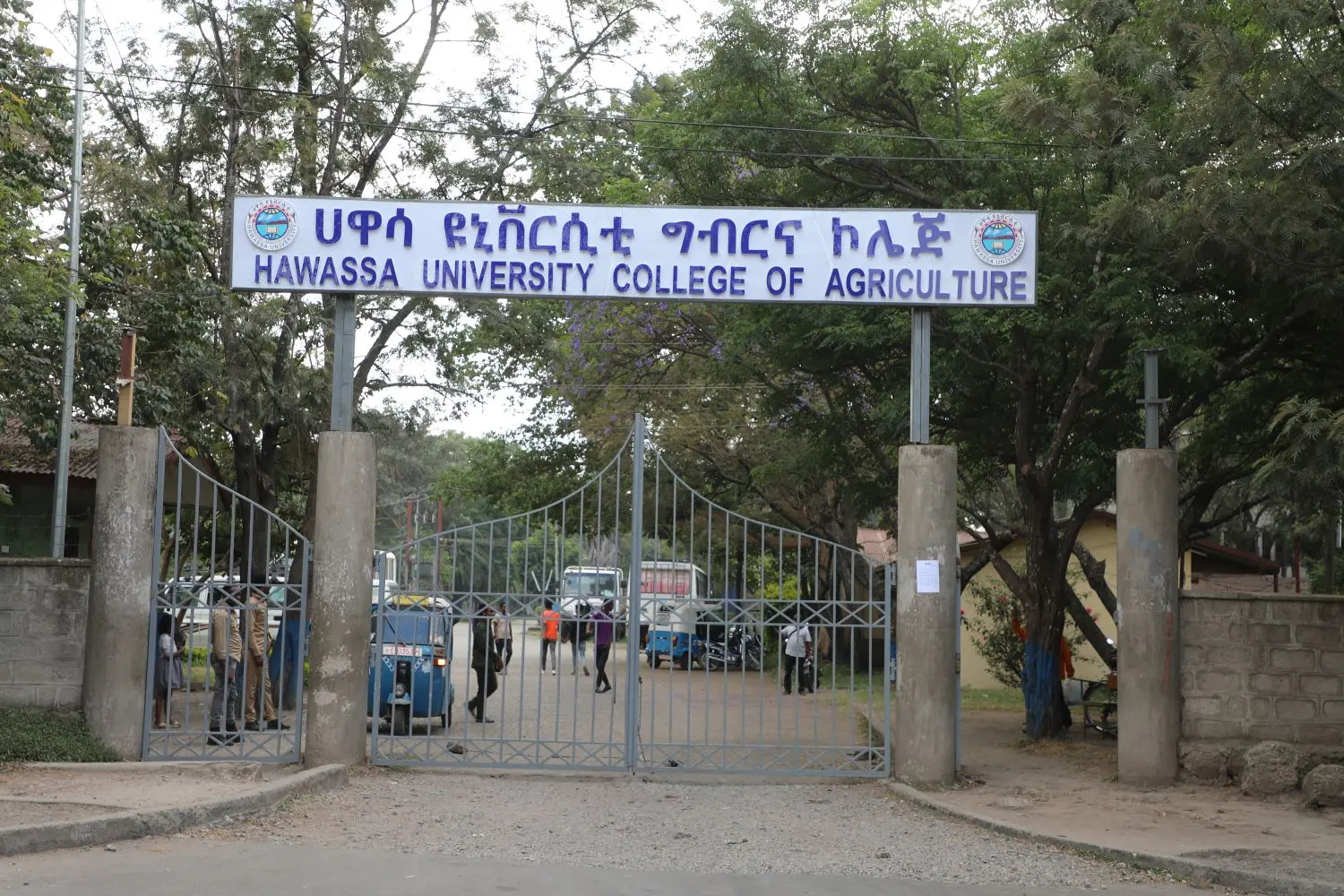
Agriculture Campus
The Agriculture Campus, also known as the College of Agriculture or “Agri-Campus,” is situated in the town center near Lake Hawassa. Founded in 1976 with the opening of the original College of Agriculture, it is the oldest of all the university’s campuses. As such, it hosts many senior faculty members who are engaged in practical research aimed at improving the lives of surrounding rural communities.
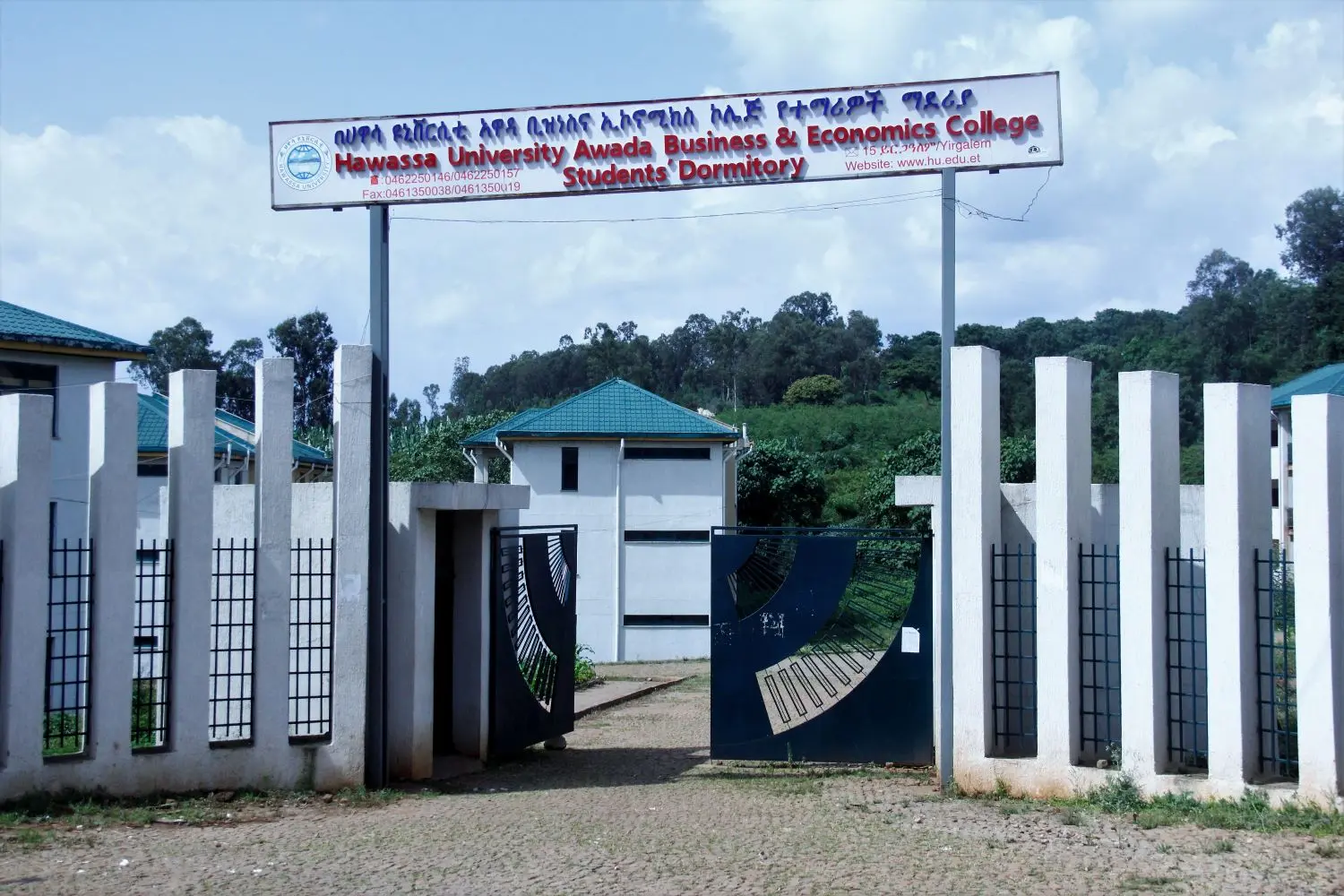
Awada Campus
The Awada Campus was established in 2012, and is located approximately 40 km. south of Hawassa, in the Awada, neighborhood at the entrance of the town of Yirgalem. It is home to t the College of Business and Economics. The College offers programs for both regular students and those in the Continuing Education Programme (CEP) programmes at the Awada Campus, the main campus university campus in Hawassa, and a satellite campus in Aleta Wondo. Faculty are engaged in research and community services including entrepreneurship training and promoting market-oriented farming.
Daye Campus
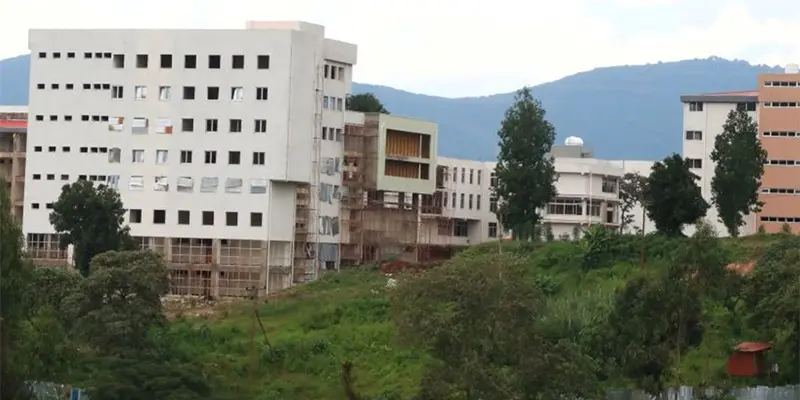
Daye Campus, named after the small town of Daye, is the youngest campus of Hawassa University. It was established in 2011 E.C. and is located approximately 125 km south of Hawassa. To date, the campus has enrolled its first two batches of undergraduate students in various disciplines.
IoT Campus
IoT Campus is located adjacent to the main Hawassa University campus. As one of the largest and fast-growing institutes of HU, it is strategically expanding its range of programs to meet critical national demand. The institute has introduced key, need-oriented programs - including Biomedical Engineering, Garment Technology and Textile Engineering – specifically designed to cultivate the skilled professionals required by the flourishing vital national industries such as the textile sector.
Medicine and Health Campus
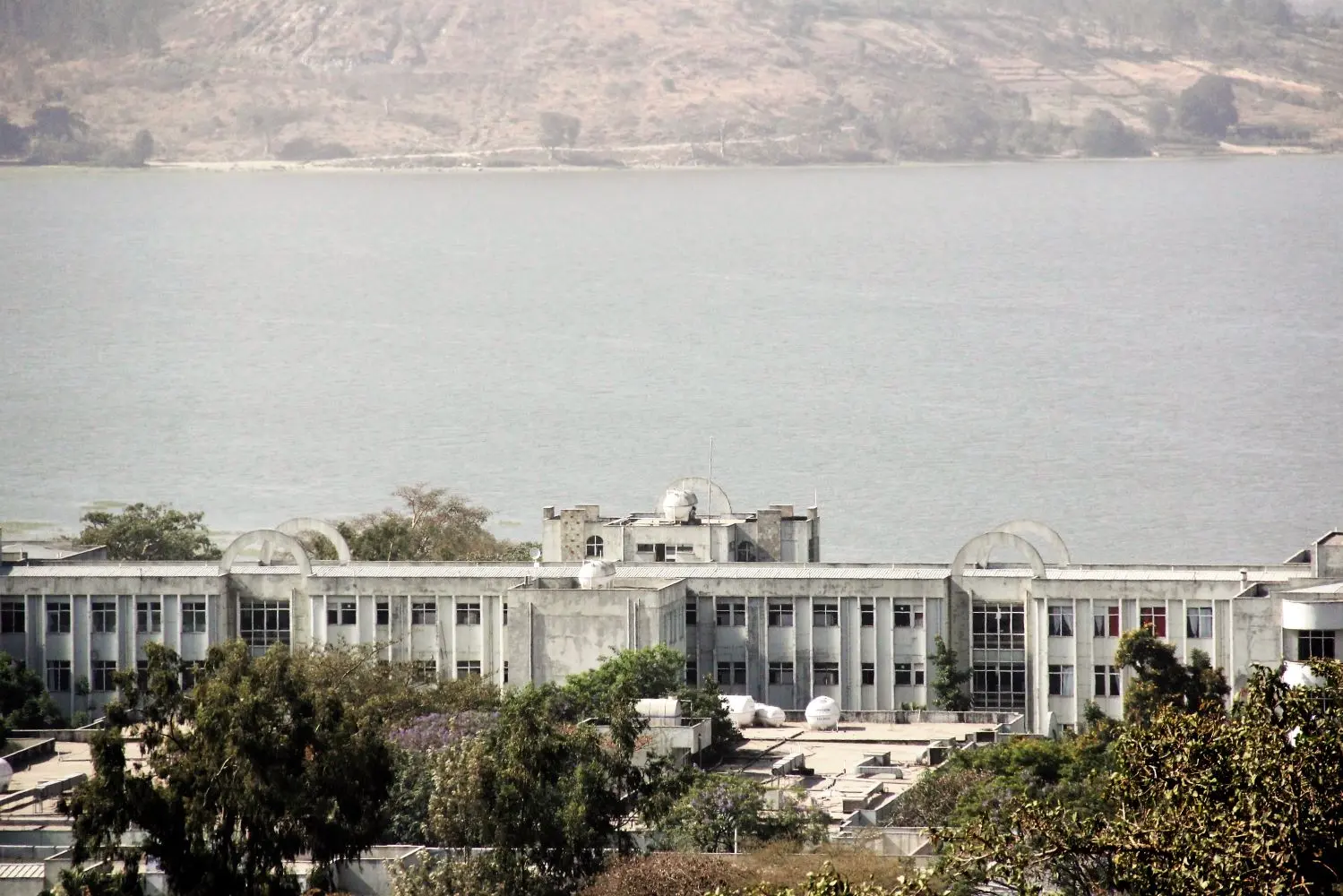
The Medicine and Health campus, also known as College of Health Sciences and Medicine, serves as the health sciences hub of Hawassa University. Its origins trace back to 1997 when it was established as the Faculty of Health under the then Dilla College of Teacher Education and Health Sciences. It is home to the Hawassa University Comprehensive Specialized Hospital, which functions as a major referral center for southern Ethiopia, serving a large number of people in the Sidama Region, neighboring regions, and communities from Oromia region.
Wondo genet Campus
It is located 25 Kms. away from Hawassa in the Western direction in the small town of Wondo Genet.
Established in 1977, a year after the Agri-Campus, Wondo campus is home to the College of Forestry and Natural Resources Conservation. It is the first of its kind in the country not only in terms of producing qualified graduates in forestry but also in the process of forging productive collaborations in the realm of natural resource and wildlife conservation.